China's Bubble Tea Industry Slowdown Sparks a Hunt for New Categories
Key facts
More than a week into Riyadh's new academic year, which opened on August 23, the search for a good study cafe in Riyadh has quietly resumed, as university students, high schoolers working through homework after school, and remote employees go looking for a table they can hold for a few hours rather than a few minutes. On the infrastructure side, that search starts from a strong position. Saudi Arabia's median mobile internet download speed rose to 216 megabits per second in 2025, up from 203 Mbps, according to the fifth Saudi Internet Report from the Communications, Space and Technology Commission, reported by Arab News on July 26, 2026. The Riyadh region alone accounted for 30.6 percent of the country's internet data traffic, more than any other region, and Saudi Arabia ranked first among 159 economies on the International Telecommunication Union's 2026 ICT Development Index.
In practice, that means a dropped connection is rarely why a study session in a Riyadh cafe falls apart. The more common culprits are far more ordinary: a chair that turns uncomfortable after an hour, background noise that spikes without warning, opening hours that do not stretch into the evening, or a drink that is finished long before the work is.
What it means for Riyadh
With the school year now in its second full week and university terms underway across the city, Riyadh's cafes are seeing a familiar seasonal shift: fewer tourists browsing menus, more laptops open at corner tables for an hour or three. What separates a cafe that actually works for that from one that is only good for a quick coffee comes down to a short, practical list rather than anything exotic.
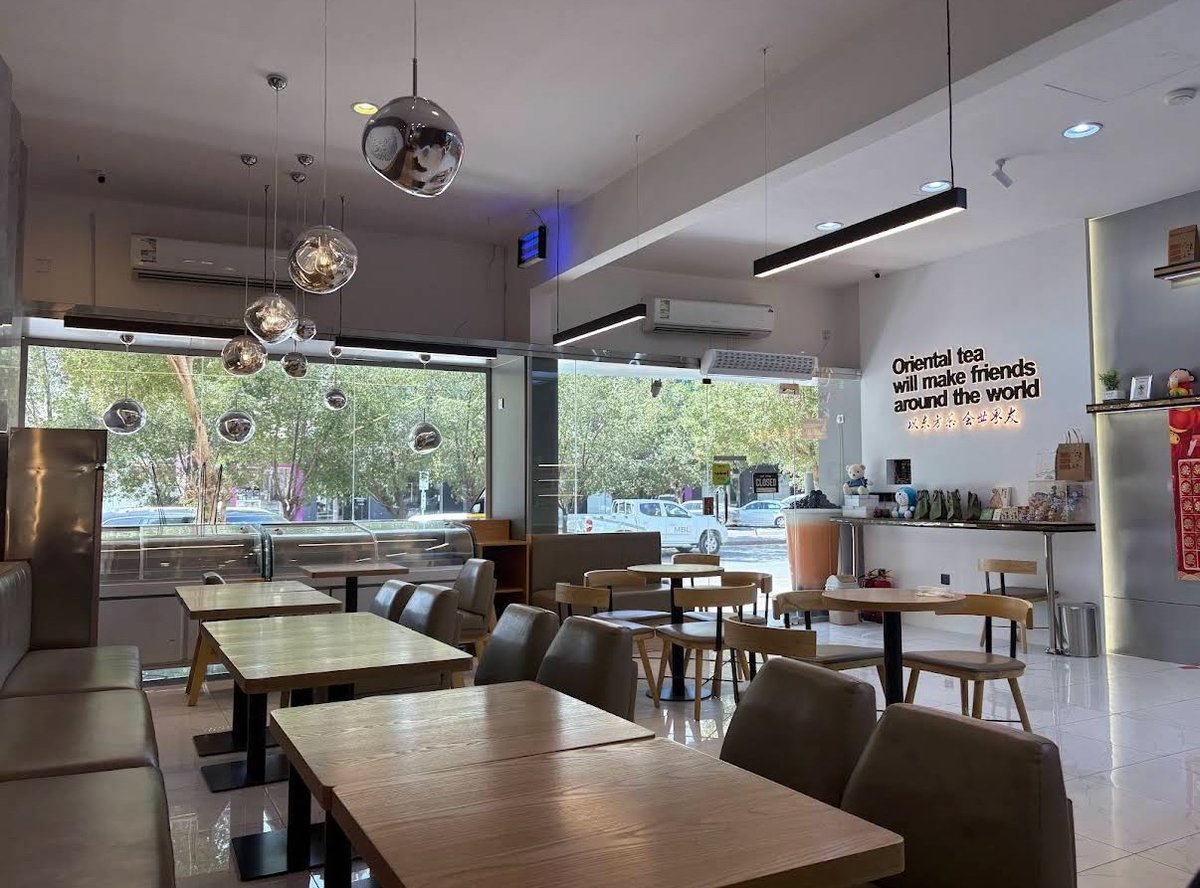
Seating matters more than decor. Chairs and tables built for a fast meal tend to turn uncomfortable well before a three-hour session is done, so a cafe that keeps a few sturdier tables, ideally against a wall near a visible power outlet, is signaling that it expects some customers to stay. Noise matters just as much: low, steady background music is easy to work around, but a television, a speaker cycling through loud short-form video, or a layout that funnels every conversation past the same corner is not. Hours matter too, and more so once term starts. A cafe that closes at six in the evening is of limited use to a student who studies after dinner or an employee finishing a late shift, so cafes that stay open into the evening and through the weekend tend to see more of that return custom during the school year than they do over the quieter summer months.
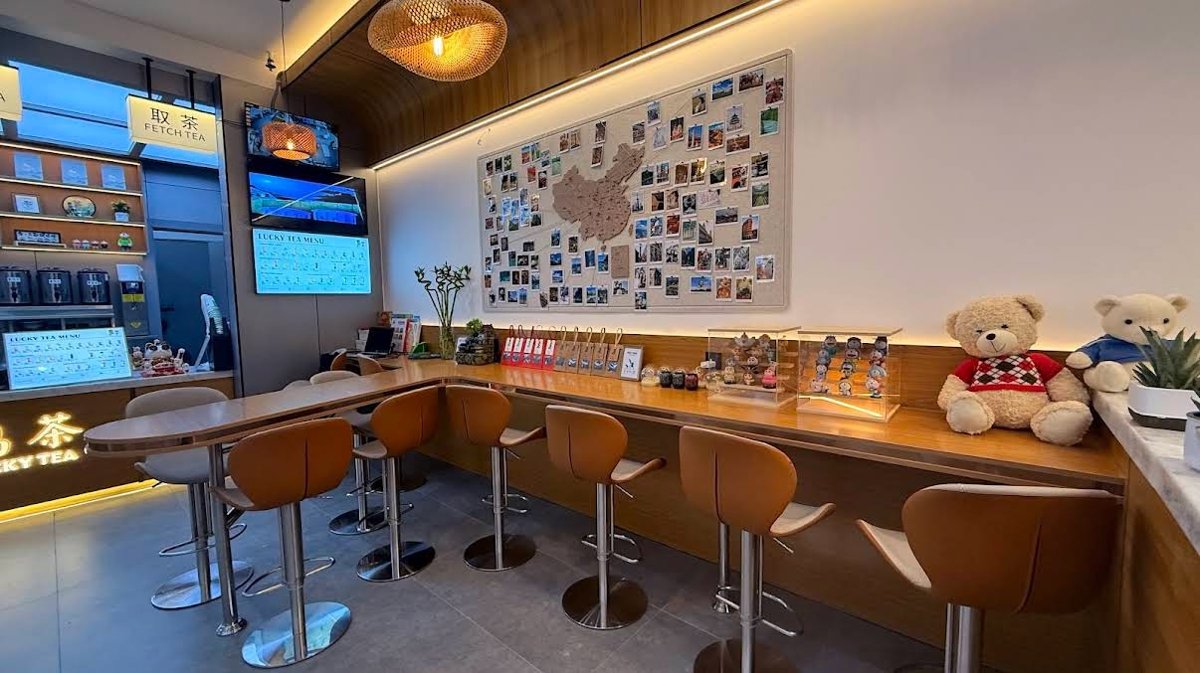
The drink itself is a smaller factor, but not a trivial one. A single shot of espresso is finished in minutes, while a pot of tea, or a milk tea meant to be sipped slowly, tends to match the pace of a study session more naturally and avoids a second caffeine spike before the session is even half over. A Riyadh tea shop like Lucky Tea, where the menu is built around brewed tea rather than a fast espresso pour, fits that slower rhythm by design rather than by accident.
Background
The shift toward function over atmosphere tracks with a broader pattern across Saudi Arabia: more people are studying and working outside a fixed classroom or office, and the country's telecommunications infrastructure has kept pace with that shift rather than lagging behind it. The Communications, Space and Technology Commission's report also recorded a median 5G download speed of 320 Mbps and fixed internet download speeds of 151 Mbps, up from 120.4 Mbps the previous year, figures that place a genuinely bad wifi connection near the bottom of the list of reasons a Riyadh cafe fails as a study spot.
The timing compounds the effect. Riyadh's public schools returned for the 2026 to 2027 year on August 23, with more than 6 million students back in classrooms nationwide and over 1.6 million of them in the Riyadh region alone, while university terms follow their own separate calendars around the same period. The cafes that handle long stays well are now being tested by a genuinely larger crowd than they saw across the quieter summer break, not just a returning handful of regulars.
Takeaway
None of this requires a cafe to rebrand itself as a study space. It requires a shop that treats a customer working through an afternoon as just as welcome as one ordering to go, and then builds its seating, noise level, hours and menu around that decision instead of against it. In a city where the wifi is rarely the weak link, that is the part still worth choosing carefully.