China's Bubble Tea Industry Slowdown Sparks a Hunt for New Categories
Key facts
Saudi Vision 2030 hospitality sector data for the first quarter of 2026 shows the industry still expanding as the Kingdom enters the plan's third and final phase. According to the General Authority for Statistics, cited by Arab News on July 5, licensed tourism hospitality facilities grew 22.7 percent year on year to 6,122 establishments nationwide, made up of 2,963 hotels and 3,159 serviced apartment properties. Tourism employment reached 1,047,313 people in the quarter, up 6.5 percent, with 250,094 of those roles held by Saudi nationals. The number of tourism establishments with employees rose 9 percent to about 177,031.
Occupancy and pricing moved in different directions across the two accommodation types. Hotel occupancy eased to 60.8 percent, down 2.1 percentage points, while the average hotel daily rate fell 11.4 percent to SR423. Serviced apartments saw occupancy edge up to 51.6 percent, with average nightly rates roughly flat at SR206. Average hotel stays lengthened slightly to 4.2 nights.
Separately, Saudi Arabia's Ministry of Tourism signed memoranda of understanding with several global hotel brands on July 7 to launch a program called Hospitality Ambassadors, according to the Saudi Press Agency and confirmed by trade outlet TTN Worldwide. The initiative sends Saudi hospitality staff abroad for on-the-job training at partner hotels before they return to work in the Kingdom, building on more than 700,000 training opportunities the ministry says it has delivered since 2020.
What it means for Riyadh
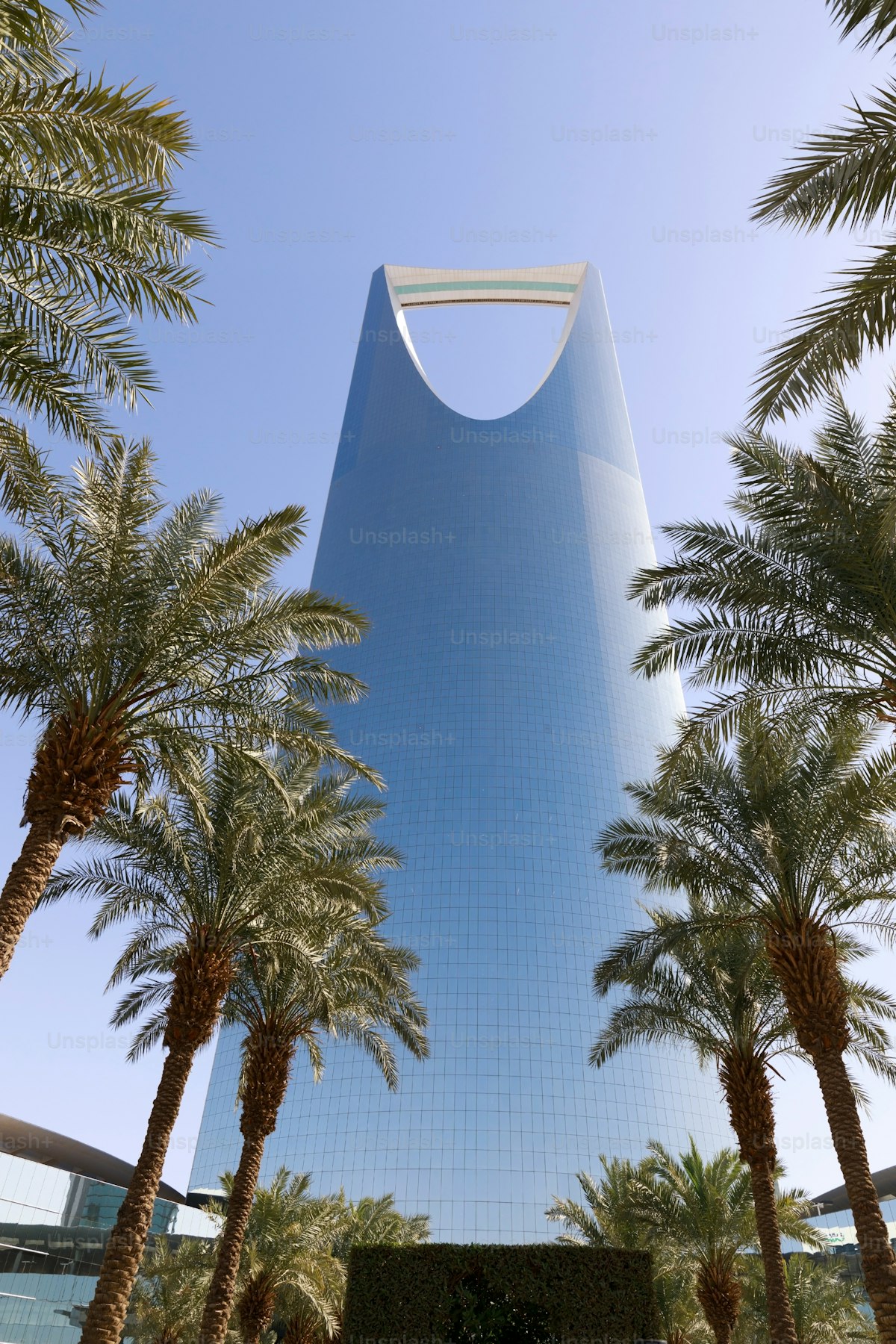
For Riyadh residents and expats, the clearest signal in the new numbers is supply catching up with demand. A 22.7 percent jump in licensed facilities, combined with softer hotel occupancy and lower average rates, points to more accommodation choice across the capital rather than a market straining at capacity. That matters for anyone hosting visiting family, booking a staycation, or simply noticing new hotel and serviced apartment signage going up along familiar roads.
The workforce side has a direct local angle too. With tourism employment up 6.5 percent and a new government-backed training pipeline sending Saudi staff to international hotels before they return home, more of the people working the front desks, kitchens and service floors across the city's hospitality venues are gaining formal, internationally benchmarked training. For young Saudi jobseekers in Riyadh, that is a concrete route into a sector the government has flagged as a long-term growth priority, not a seasonal one.
None of this is limited to one district. Growth in hospitality facilities and staffing is spread across the capital, from established commercial corridors to newer residential neighborhoods, which is part of why Riyadh's everyday food and beverage scene, tea shops included, keeps expanding alongside it.
Background
Vision 2030 entered its third and final five-year phase this year, running through 2030, after the Kingdom's tourism sector welcomed roughly 123 million visitors in 2025 and generated more than SR300 billion in spending, surpassing the plan's original target years ahead of schedule. That performance led officials to raise the visitor goal to 150 million a year by the end of the decade. Planners have described the shift from earlier phases as a move from infrastructure groundwork toward what they call accelerated implementation, with more emphasis on service quality and workforce readiness than on new construction alone.
The Hospitality Ambassadors program fits that shift. Rather than adding hotel rooms, it is aimed at the people who staff them, pairing Saudi hospitality workers with international hotel operators for hands-on training before they return to Kingdom-based roles. Combined with the GASTAT figures showing steady growth in licensed facilities and tourism jobs, the first-quarter data offers an early, still-partial read on how the sector is performing as the phase gets underway, rather than a verdict on the full five-year plan.
Takeaway
Three months into Vision 2030's final phase, Saudi Arabia's hospitality sector is still adding facilities and jobs faster than population growth, even as softer hotel occupancy and rates suggest supply is starting to catch up with demand in Riyadh and beyond. A new government training program aimed at hospitality staff, rather than new buildings, points to where the next stretch of the plan is placing its emphasis. For Riyadh residents, the practical takeaway is more accommodation choice and a steadily professionalizing service sector across the city.
Sources
- Arab News · Saudi tourism hospitality facilities grow 23% in Q1: GASTAT · July 5, 2026
- Saudi Press Agency · Tourism Ministry Signs MoUs with Global Hotel Brands to Launch 'Hospitality Ambassadors' Program · July 7, 2026
- TTN Worldwide · Saudi Arabia signs MoUs with global hotels to train hospitality talent abroad · July 8, 2026