China's Bubble Tea Industry Slowdown Sparks a Hunt for New Categories
Key facts
The SFDA's caffeine labeling rule for Saudi cafes and restaurants has now been in force for a full year. Since July 1, 2025, the Saudi Food and Drug Authority has required every food and beverage outlet in the Kingdom, from casual coffee shops to fine dining venues, to disclose the caffeine content of beverages on menus, whether printed, posted online, or shown inside food delivery apps.
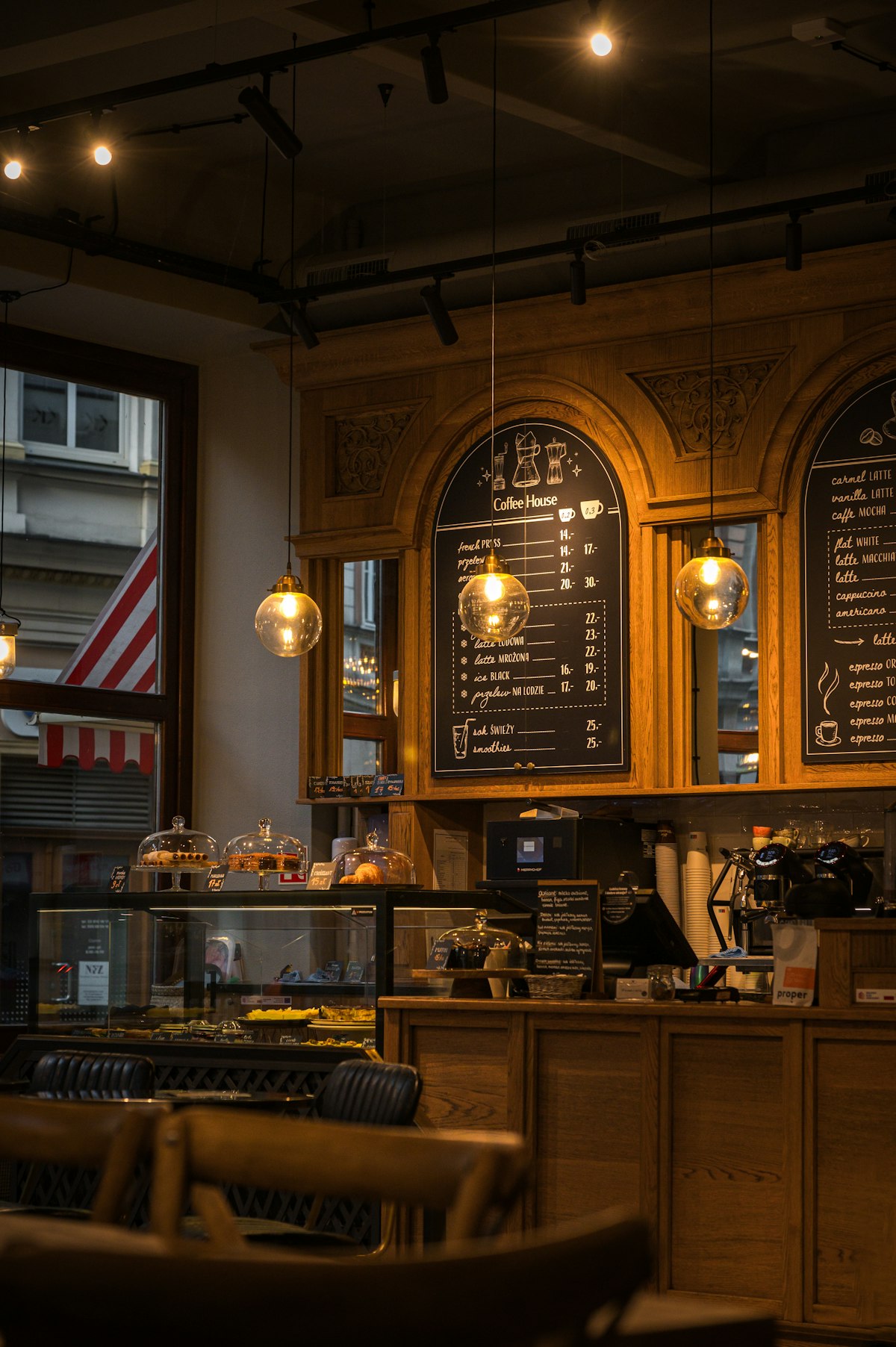
Menus must state caffeine content per serving or per 100 milliliters for any drink that contains it. The SFDA ties the requirement to a recommended daily caffeine limit of 400 milligrams for adults and 200 milligrams for pregnant women, figures drawn from international health guidance. To help businesses work out the right numbers, the authority publishes a Caffeine Calculator tool on its website and makes the full technical regulation available through its Mwasfah portal.
The caffeine rule did not arrive alone. On the same date, the SFDA introduced a saltshaker icon next to high-sodium menu items and a requirement to show the estimated time needed to burn off a dish's calories, part of one combined menu transparency package rather than three separate rollouts.
What it means for Riyadh
For Riyadh residents and visitors, the practical change shows up on the menu itself. Order a flat white, a matcha latte, or a pot of black tea in the capital today, and the caffeine amount should be printed or displayed next to the price. That makes it easier to compare across venues and keep a rough daily tally, which matters for parents ordering for teenagers, for anyone managing a caffeine sensitivity, and for pregnant customers watching the lower 200 milligram guidance.
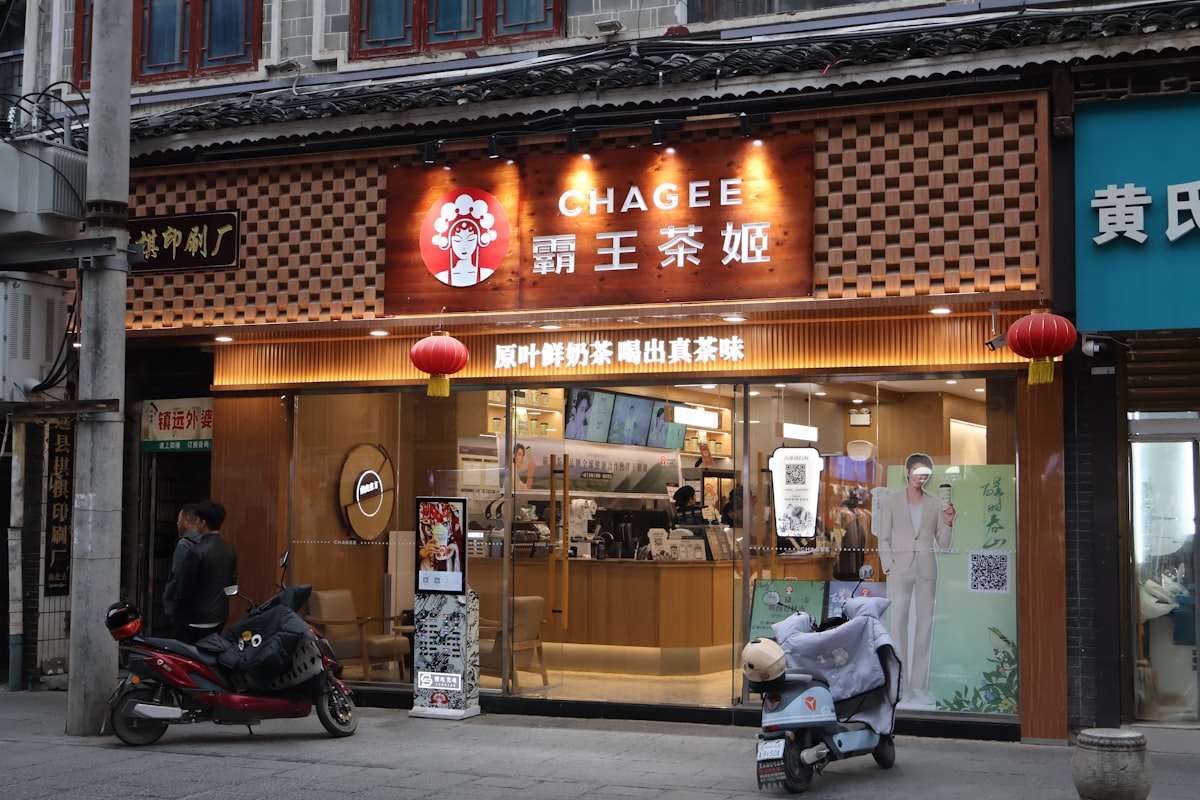
The rule does not single out coffee. Any beverage that naturally contains caffeine, including brewed tea, oolong, jasmine tea, and milk tea bases, falls under the same disclosure requirement as espresso drinks. Riyadh's tea shops and milk tea counters are covered exactly the same way as its coffee houses, so the labeling now gives customers a clearer picture of a category that used to be harder to estimate than a straightforward espresso shot.
For newcomers to the city, whether expatriate residents, international students, or tourists, the standardized format is a small but genuine navigational aid. The same disclosure appears whether the order is placed at the counter, read off a printed menu, or scrolled past inside a delivery app, so there is one consistent reference point across very different ordering channels.
Background
The SFDA introduced the caffeine disclosure requirement alongside the saltshaker icon and the calorie-burn-time estimate as one package taking effect July 1, 2025. The authority framed the changes as part of a broader push for nutritional transparency, citing rising rates of hypertension and obesity as the public health concerns the rules are meant to address, in line with Saudi Vision 2030's health objectives.
A year in, the requirement has moved from a rollout deadline to a fixture of how Riyadh's food and beverage sector operates. The SFDA has urged restaurants and cafes to maintain full compliance, and continues to offer its Caffeine Calculator and Mwasfah portal as reference tools for operators updating their menus or opening new locations.
Takeaway
One year after it took effect, the SFDA's caffeine labeling rule has settled into ordinary practice across Riyadh's cafes and restaurants. Caffeine content, alongside the sodium icon and calorie-burn estimate, is now a standard line on the menu rather than a novelty, whether the drink in question is an espresso or a pot of tea. For anyone tracking their own intake against the 400 milligram daily guidance, that is one less thing to guess about.